Culture

Why the Middle of Nowhere Isn’t Empty
By Robbie Perdue

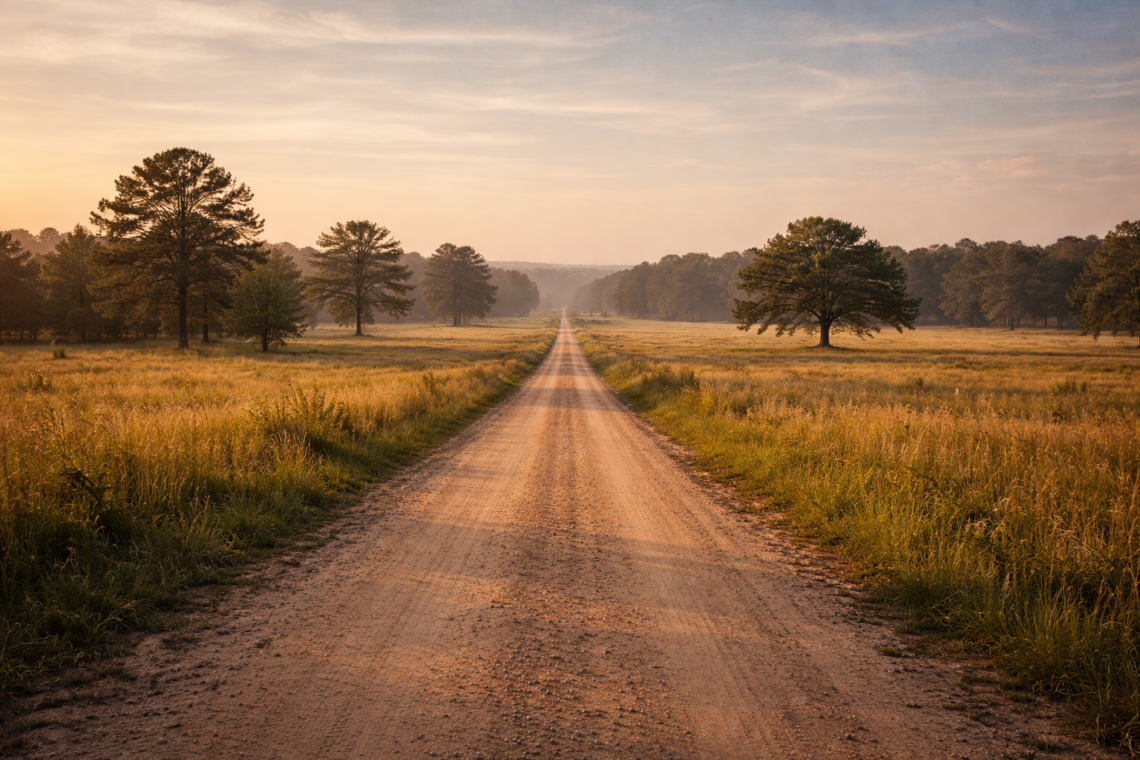
Most people don’t see anything when they look out over open land.

They see distance. Space. A lack of structure.

They call it “nothing.”

You hear it all the time—driving through rural roads, passing fields, moving through stretches of land where there aren’t houses stacked on top of each other or storefronts every few miles.

“Nothing out here.”

But that’s not accurate.

What they’re really saying is they don’t know how to read it.

Because what looks empty from a distance is usually just quiet.

And quiet is easy to misunderstand.

We’ve gotten used to environments that constantly demand attention—movement, noise, signs, lights, something always happening. So when you step into a place that doesn’t announce itself, it feels like something is missing.

But it’s not missing.

It’s just not competing for your attention.

And that difference matters.

The first time you really slow down in a place like that, things start to change.

Not all at once.

But gradually.

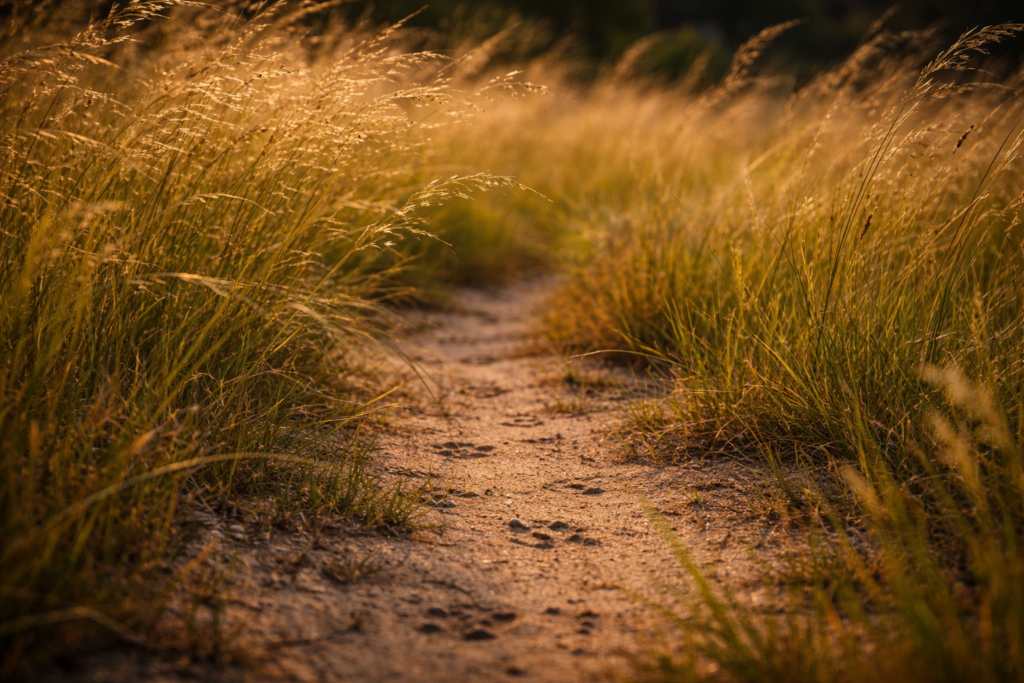
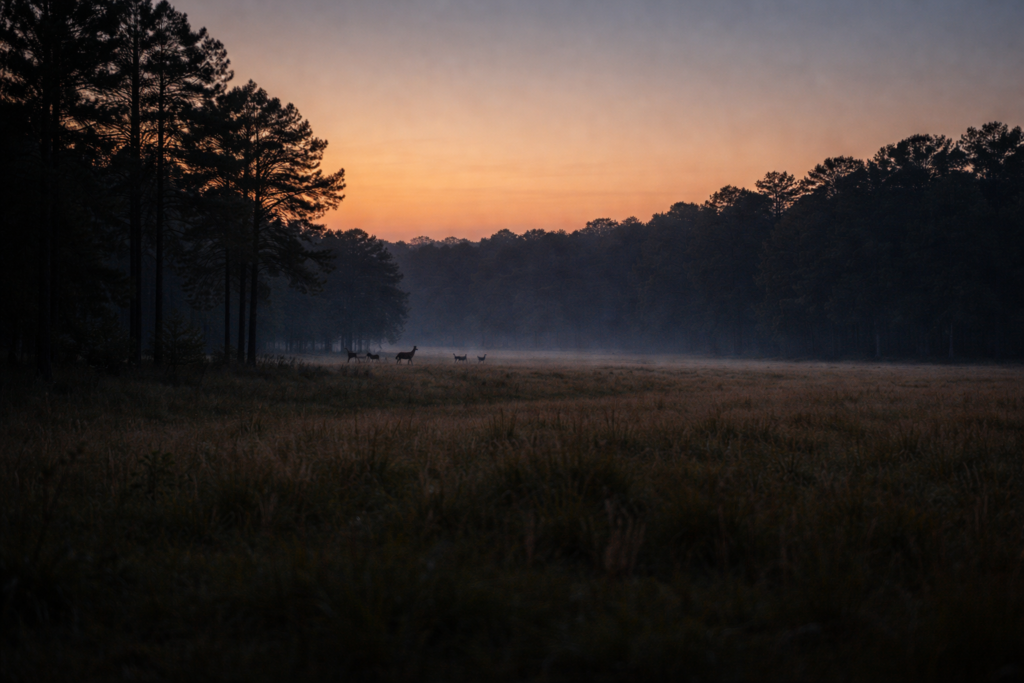
You begin to notice movement where you didn’t before. The way grass bends differently when something passes through it. The pattern of tracks in the dirt. The way birds move in response to something you haven’t seen yet.

You start to realize that what felt empty is actually layered.

There’s life at every level—you just weren’t tuned into it.

Even the land itself carries information.

Changes in elevation that affect water flow. Slight differences in soil that determine what grows where. Edges where two types of terrain meet, creating natural transition zones that everything seems to use.

None of it is loud.

None of it demands your attention.

But all of it is there.

And once you start seeing it, you can’t really unsee it.

The place doesn’t become more full.

You just become more aware.


There’s a reason places like this feel different.

It’s not because they’re empty.

It’s because they’re not filled with things that were put there to hold your attention.

There’s no noise built into it. No artificial urgency. No constant push to move faster or look somewhere else.

What you get instead is space.

And space does something most people aren’t used to anymore.

It gives you room to notice.

To think.

To sit with something long enough for it to actually register.

That’s uncomfortable at first for some people. Silence has a way of making you aware of things you’ve been avoiding. Lack of distraction forces you to engage, whether you want to or not.

But over time, that space becomes valuable.

Because it’s where clarity shows up.

It’s where things start to make sense—not because someone explained them to you, but because you had enough time to see them for yourself.

That’s what the “middle of nowhere” really offers.

Not emptiness.

But the absence of noise.

And in a world that rarely gives you that anymore, it might be one of the most valuable things left.

is a native North Carolinian who enjoys cooking, butchery, and is passionate about all things BBQ. He straddles two worlds as an IT professional and a farmer who loves heritage livestock and heirloom vegetables. His perfect day would be hunting deer, dove, or ducks then babysitting his smoker while watching the sunset over the blackwater of Lake Waccamaw.

Leave a Reply

Your email address will not be published. Required fields are marked *