The Patina Economy
By Robbie Perdue
We used to earn wear. Now we buy it pre-scuffed.
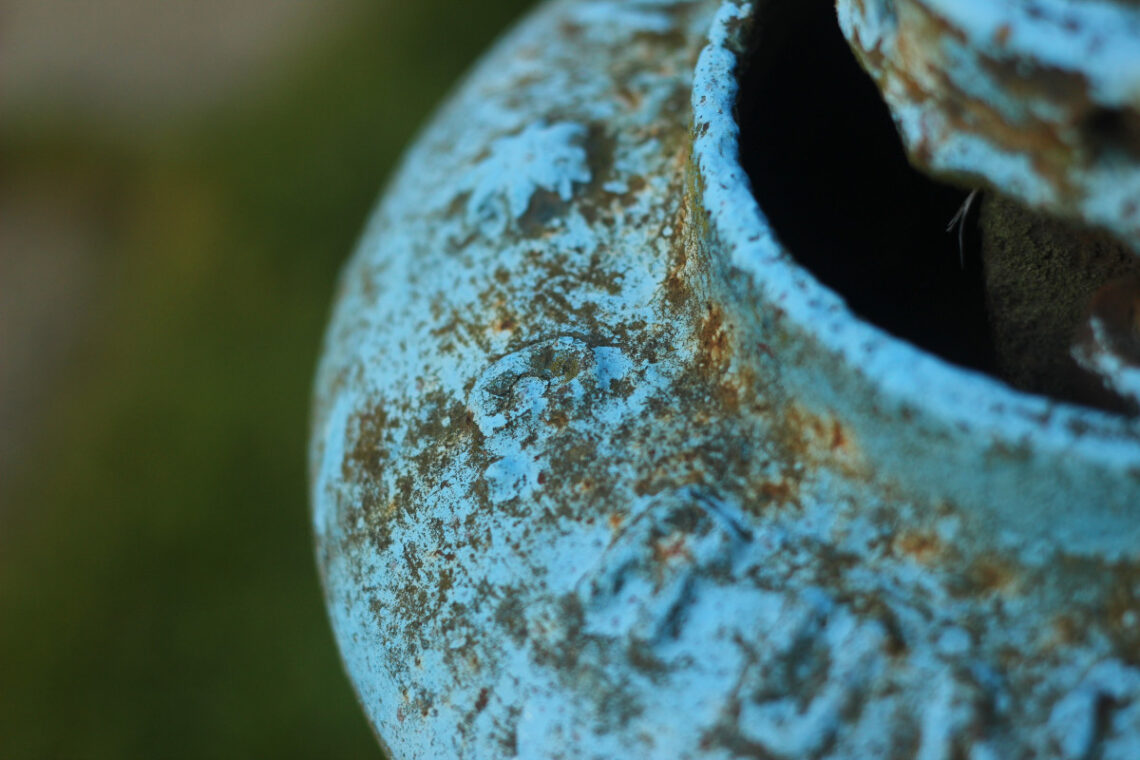
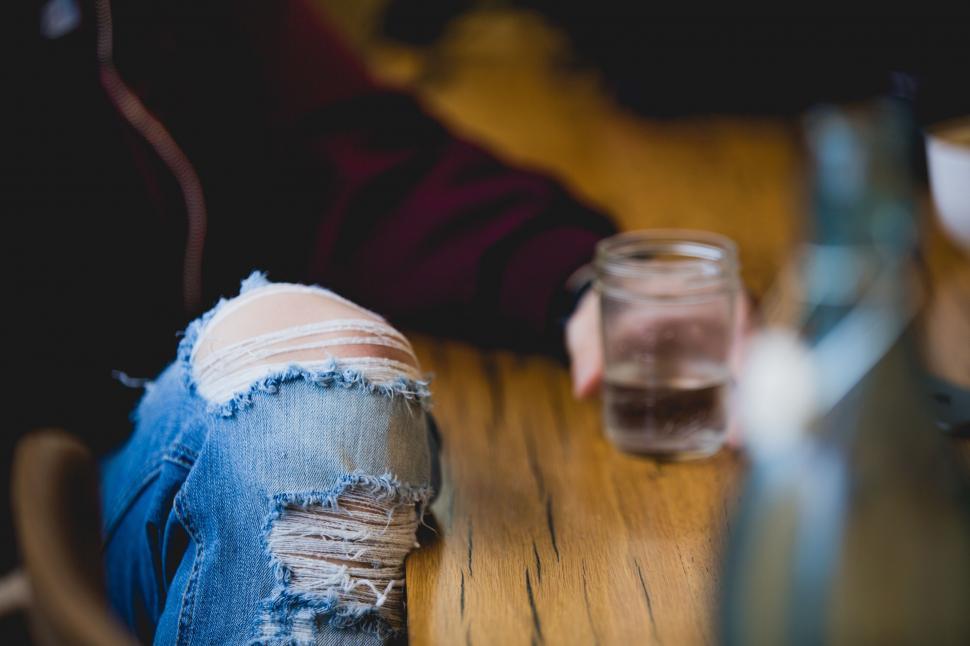
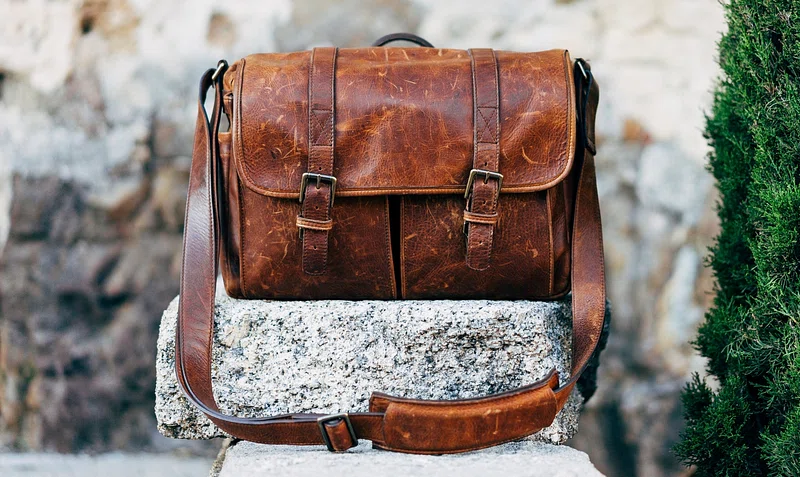
Walk through almost any boutique today and you’ll find it: denim already faded at the knees, leather pre-distressed, furniture sanded down to suggest a century of use it never saw. “Heritage” labels hang from factory-aged canvas. Artificial rust blooms evenly across decorative metal.
We are surrounded by imitation history.
Patina once meant something specific. It was the visual record of time — the darkening of leather where hands had held it, the smoothing of wood where elbows had rested, the silvering of metal where friction had done its slow work. Patina was not decoration. It was biography.
Now it is branding.
The modern marketplace understands something fundamental: people crave depth. They crave story. They crave the suggestion that an object has lived. But instead of waiting decades, we manufacture the illusion.
There is nothing inherently wrong with aesthetic preference. Weathered materials are beautiful. Texture matters. But there is a difference between appreciating age and counterfeiting it.
When wear is earned, it carries memory. A scratch across a rifle stock recalls a fence crossed in a hurry. A crease in leather marks years of movement. A dent in a cooler lid might trace back to a specific opening morning or long road trip.
When wear is purchased, it carries none of that weight.
The Patina Economy thrives on acceleration. It compresses time into surface treatment. It sells maturity without the inconvenience of waiting. You can buy a jacket that looks like it’s traveled thousands of miles without ever leaving your city.
But something subtle is lost in the shortcut.
Real wear requires continuity. You must keep an object long enough for it to change. You must resist the urge to upgrade at the first sign of imperfection. You must choose to maintain instead of replace.
Patina, in its truest sense, is evidence of commitment.
In older Southern homes, you’ll sometimes find tables whose finish has been worn thin at the edges. Not because they were styled that way, but because generations leaned there. Boots darken where oil and sweat mix over seasons. A shotgun’s grip grows smooth under the constant pressure of hands that return to it year after year.
These surfaces tell stories without explanation.
Artificial distressing flattens narrative. It turns memory into marketing. It reduces depth to texture alone.
The irony is that our hunger for aged appearance signals something healthy — a longing for permanence in a disposable world. We want objects that feel grounded, anchored, seasoned. But instead of slowing down enough to build that character naturally, we often purchase the appearance of it.
The better alternative is patience.
Buy the jacket new. Let it crease on its own. Choose solid wood and allow it to scar honestly. Carry the same bag long enough for its shape to adjust to your life.
Time will do the rest.
We used to earn wear. We still can.
Robbie Perdue
is a native North Carolinian who enjoys cooking, butchery, and is passionate about all things BBQ. He straddles two worlds as an IT professional and a farmer who loves heritage livestock and heirloom vegetables. His perfect day would be hunting deer, dove, or ducks then babysitting his smoker while watching the sunset over the blackwater of Lake Waccamaw.
You May Also Like
Ghostly Tales : The Bridge
October 31, 2021
Eating in the New Year
January 1, 2024