Culture,  Lifestyle

The Case for Owning Fewer, Better Things

By Robbie Perdue

The best things in my house are older than I am.

They were not purchased because they were trending. They were not optimized for shipping weight or marketing angles. They were made with the quiet assumption that someone would still be using them decades later.

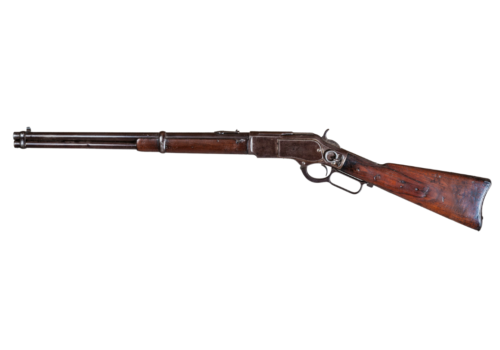
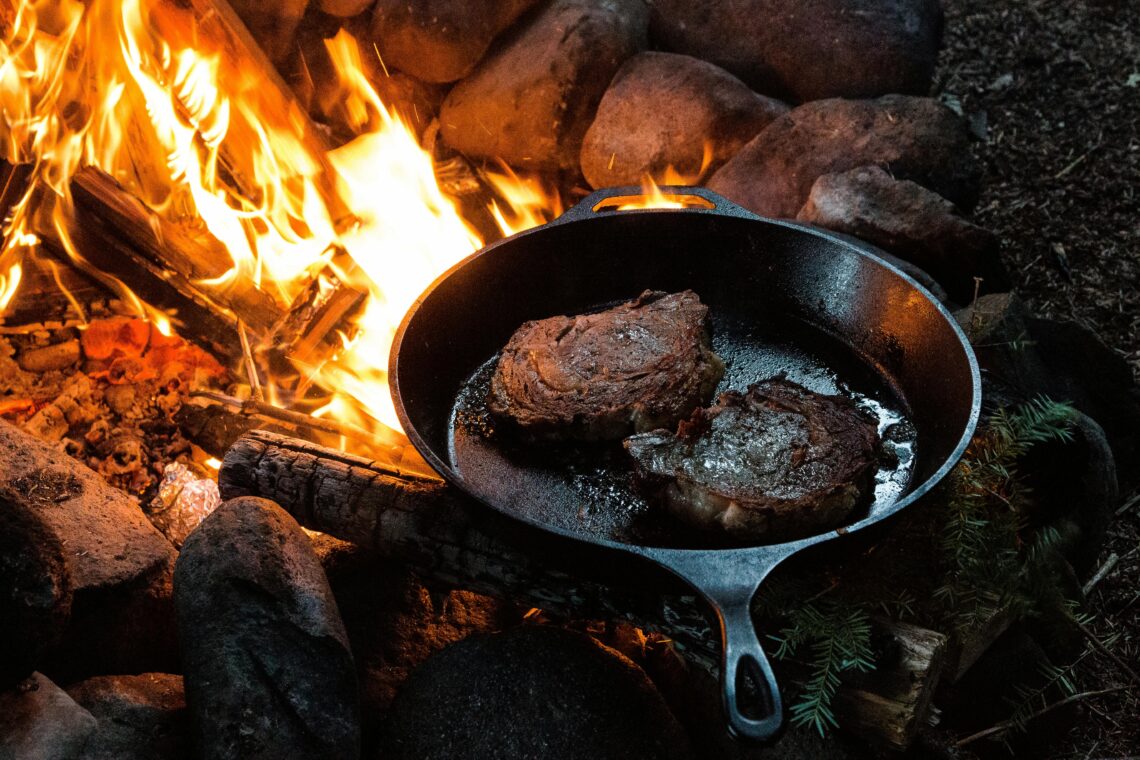
A shotgun with worn checkering. A pair of boots that have been resoled twice. A cast iron skillet that will never be “new” again. My father’s bible.

There is a difference between owning something and carrying something forward.

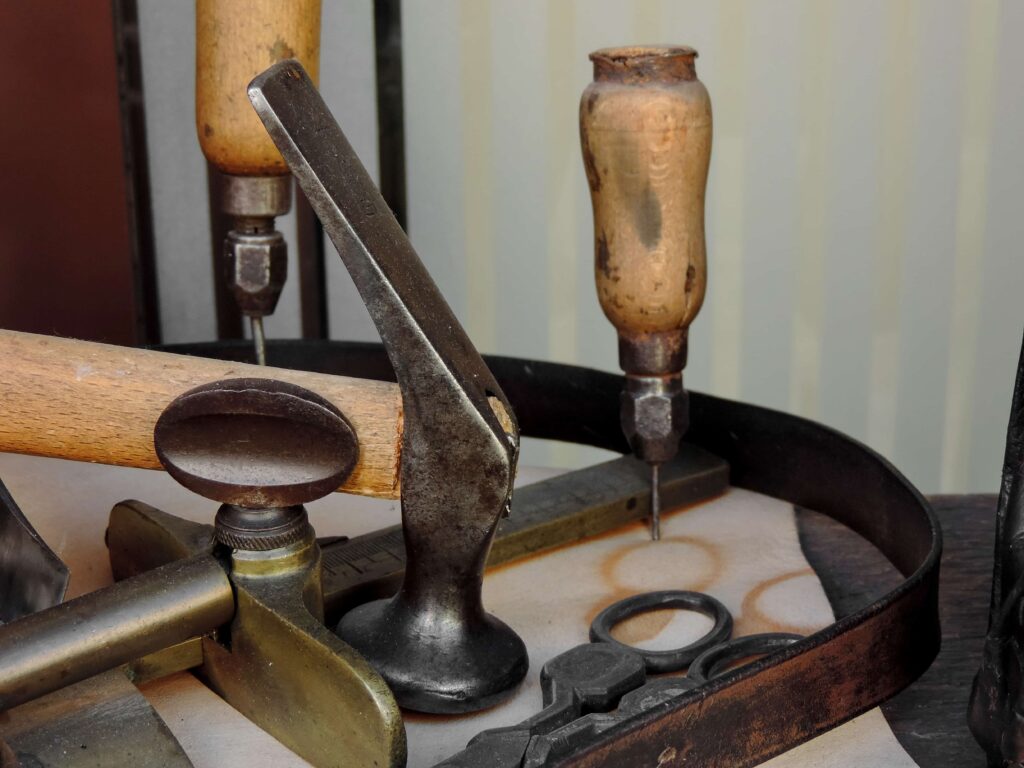
For most of Southern history, durability was not aesthetic — it was necessity. Tools had to work because replacing them was not simple. You repaired what broke. You sharpened what dulled. You oiled what rusted. Maintenance was not a hobby; it was stewardship.

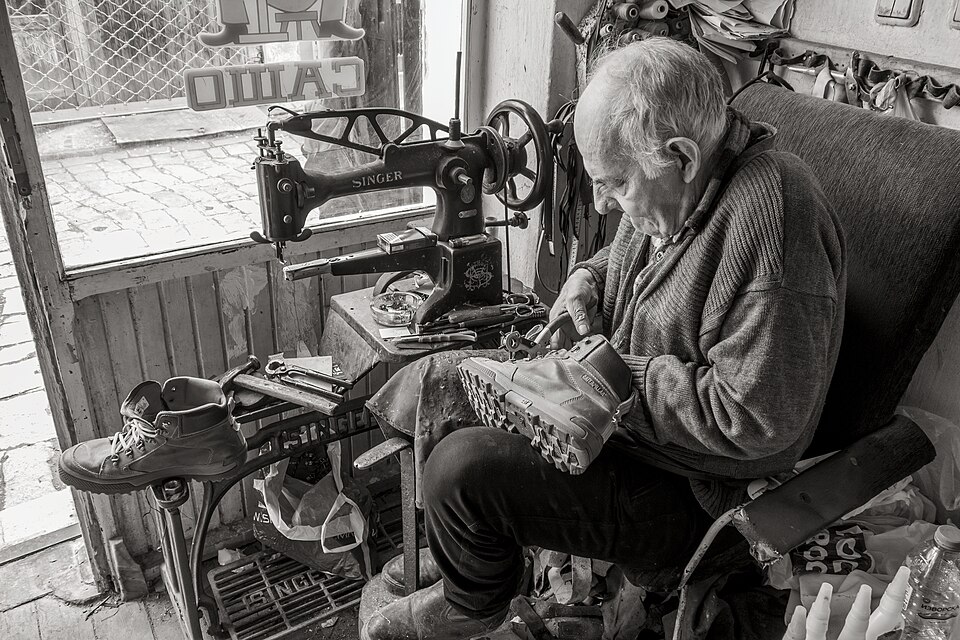
Cobbler repairing shoes in his old workshop. Image by Petar Milošević

Then convenience accelerated.

Mass production lowered cost but shortened lifespan. Things became cheaper and more disposable. Replacement replaced repair. Entire industries grew around planned obsolescence — the quiet engineering of expiration.

We learned to expect deterioration.

And with it came a subtle shift in posture. When an object is temporary, so is your relationship to it. You don’t develop familiarity. You don’t notice the way a grip forms naturally to your hand over years. You don’t inherit the shape of someone else’s wear.

The argument for fewer, better things is not nostalgia. It is alignment.

When you own less, what remains matters more. You choose carefully. You pay attention. You maintain. You develop a rhythm with the object — the way a pocket knife opens with a certain pressure, the way leather softens where your hand rests, the way a wooden stock darkens where it has been carried season after season.

There is intimacy in longevity.

This extends beyond tools. Furniture built from solid wood instead of composite board. Jackets that can be repaired instead of discarded. Boots with replaceable soles instead of molded foam. Objects designed for renewal rather than disposal.

Fewer things reduce noise.

A house crowded with short-lived goods feels unsettled. A room anchored by durable pieces feels grounded. There is psychological steadiness in permanence. In knowing that what surrounds you is not scheduled to fail.

Owning fewer, better things also disciplines consumption. It forces patience. Instead of reacting to impulse, you wait. You save. You research. You choose once, not repeatedly.

And then you commit.

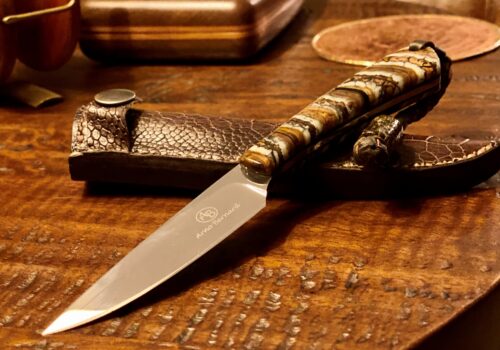
Commitment is unfashionable in a culture built on upgrades. But permanence changes how you move through life. When you carry the same field knife for years, you sharpen it without thinking. When you wear the same boots season after season, you trust them without question.

Trust, built slowly, is difficult to replace.

This does not mean rejecting modernity. It means being selective within it. Technology will evolve. Materials will improve. But the guiding question remains simple: Is this built to last?

If it is not, perhaps it does not belong in your home.

The best things in my house are older than I am.

One day, if I’ve chosen well, they will outlive me too.

is a native North Carolinian who enjoys cooking, butchery, and is passionate about all things BBQ. He straddles two worlds as an IT professional and a farmer who loves heritage livestock and heirloom vegetables. His perfect day would be hunting deer, dove, or ducks then babysitting his smoker while watching the sunset over the blackwater of Lake Waccamaw.

Leave a Reply

Your email address will not be published. Required fields are marked *