Culture,  Lifestyle

Controlled Burns & Controlled Lives

By Robbie Perdue

The woods look wrong before they look right.

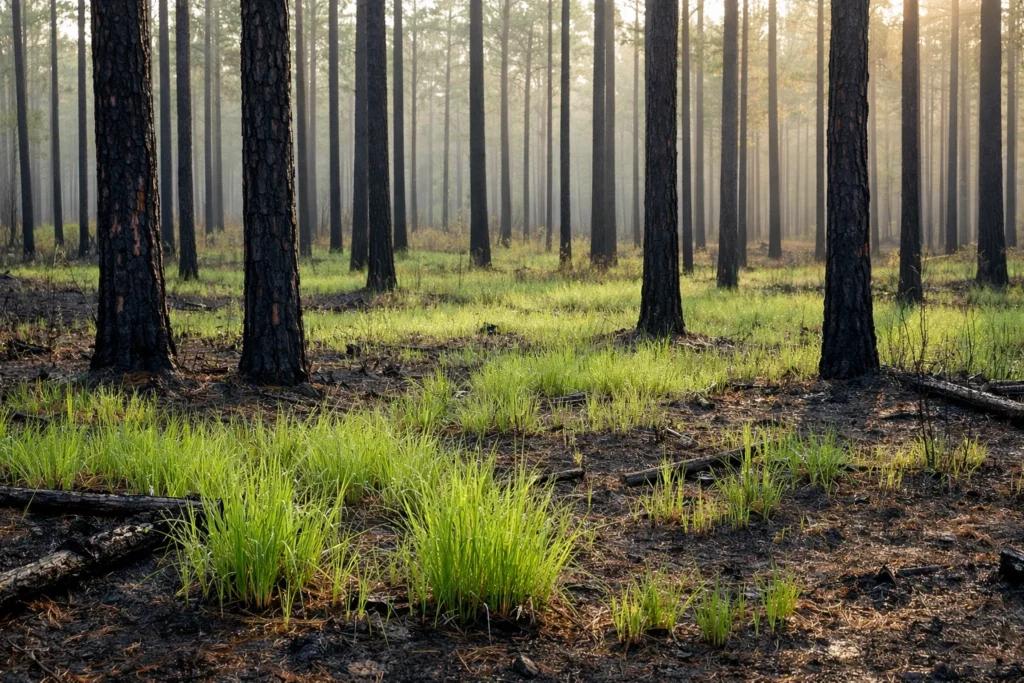
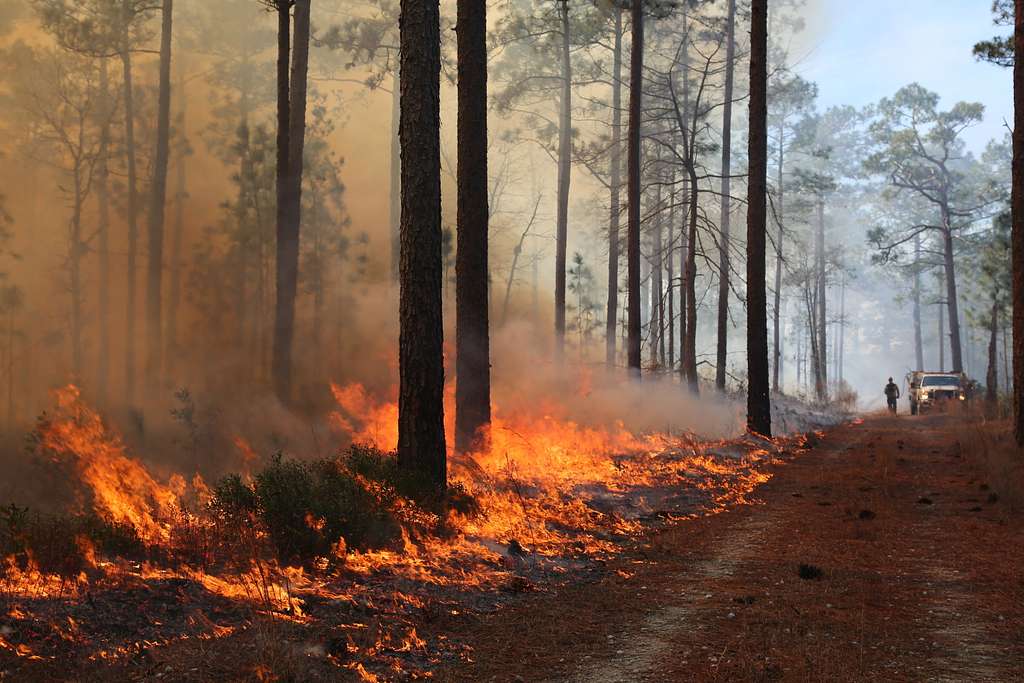
Blackened trunks. Ash drifting across wiregrass. The air sharp with smoke that clings to your jacket long after you leave. For a few days, sometimes weeks, a longleaf stand after a prescribed burn appears ruined — stripped down to charcoal and bone.

Then the green returns.

In the South, fire is not only destruction. It is management. Long before forestry commissions and burn permits, lightning and indigenous practice kept the land in balance. Fire cleared underbrush, recycled nutrients, opened space for new growth. Without it, forests choke themselves.

A controlled burn is deliberate. Weather is studied. Wind is measured. Crews stand ready with water and patience. Lines are drawn to keep flame where it belongs. The goal is not spectacle. It is renewal.

There is a discipline to it.

Too little fire, and the undergrowth thickens until one stray spark becomes catastrophe. Too much fire, and soil is damaged beyond recovery. The burn must be timed, measured, contained.

The land thrives when what is unnecessary is removed.

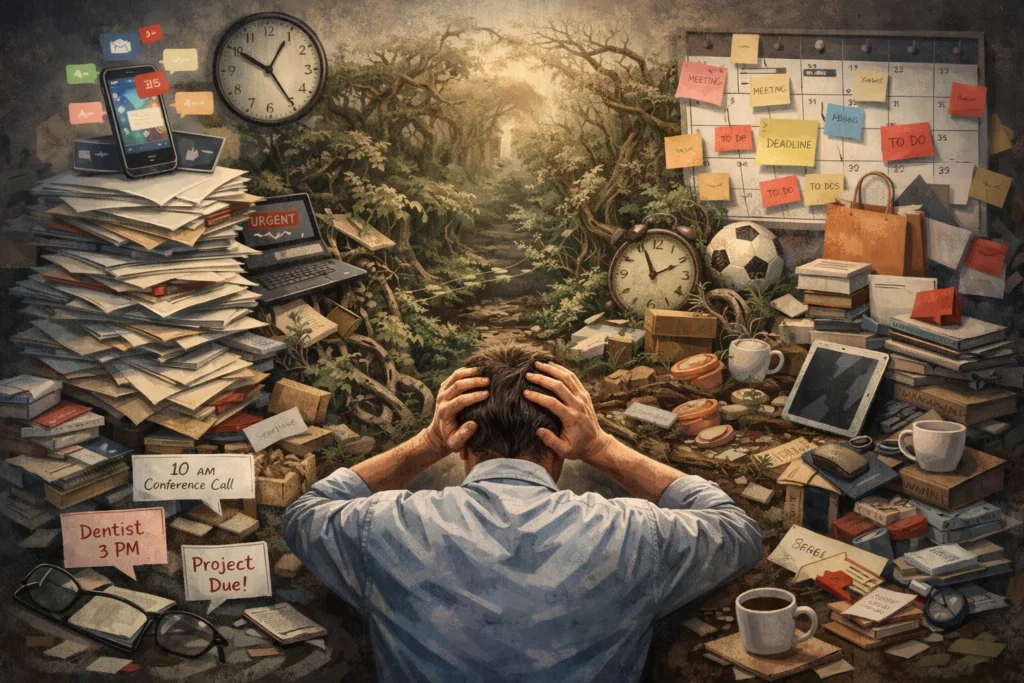
Modern life rarely follows that rhythm. We accumulate obligations, possessions, distractions. Emails stack. Notifications multiply. Commitments spread thin across calendars. Without intentional clearing, our interior landscape grows dense and brittle.

And brittle landscapes burn uncontrollably.

The metaphor is obvious, but it is not simplistic. Just as forests require periodic fire to remain healthy, so do lives require deliberate reduction. Habits that no longer serve must be cut back. Possessions that clutter attention must be released. Noise must be limited before it consumes clarity.

Controlled burns are not acts of anger. They are acts of foresight.

In a pine forest, you can see the results within a season. Fresh grass pushes through ash. Wildlife returns quickly to open ground. The canopy remains, but the forest floor breathes again. What once looked scorched reveals itself as reset.

The same pattern holds in quieter ways for people.

Reducing commitments. Limiting consumption. Saying no to what distracts from what matters. These are forms of fire — small, intentional flames that prevent larger ones later.

Fire demands respect. It must be watched. It must be contained. It must be started only when conditions are right.

But when used properly, it restores balance.

The woods look wrong before they look right.

If you’ve ever walked through a longleaf stand weeks after a prescribed burn, you know the shift. The air feels open. The ground visible. The ecosystem clearer, more intentional.

There is a steadiness in landscapes that are maintained.

There can be steadiness in lives that are too.

Sometimes renewal smells like smoke.

is a native North Carolinian who enjoys cooking, butchery, and is passionate about all things BBQ. He straddles two worlds as an IT professional and a farmer who loves heritage livestock and heirloom vegetables. His perfect day would be hunting deer, dove, or ducks then babysitting his smoker while watching the sunset over the blackwater of Lake Waccamaw.

Leave a Reply

Your email address will not be published. Required fields are marked *