Why Duck Blinds Feel Like Chapels
By Robbie Perdue
You don’t talk loud in a duck blind.
No one has to tell you that. It isn’t posted on a sign. It isn’t written in a manual. You just know.
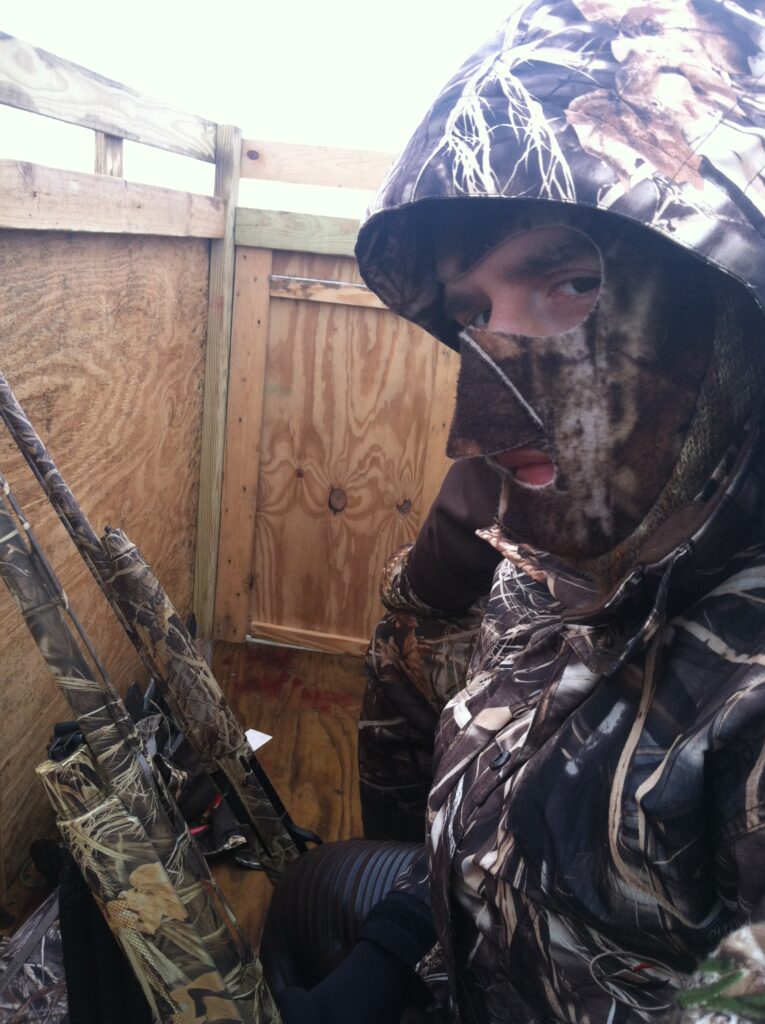
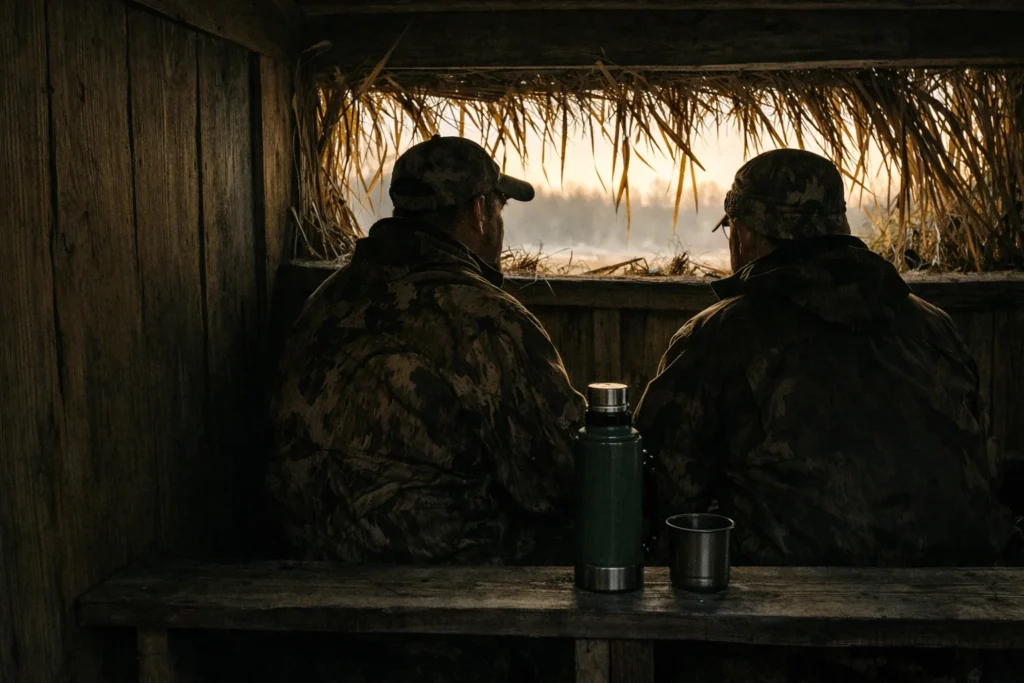
Before daylight, when the world is still more shadow than shape, men step carefully into a structure that is barely a structure at all — a frame of wood, a scatter of grass, a low roof stitched from cane and patience. Waders scrape softly. Thermoses open with a muted twist. Shotguns rest against rough boards worn smooth by years of use.
Then the waiting begins.
There are other places in life where silence feels uncomfortable. The blind is not one of them. Silence there is not absence; it is anticipation. It is shared focus. It is agreement without discussion.
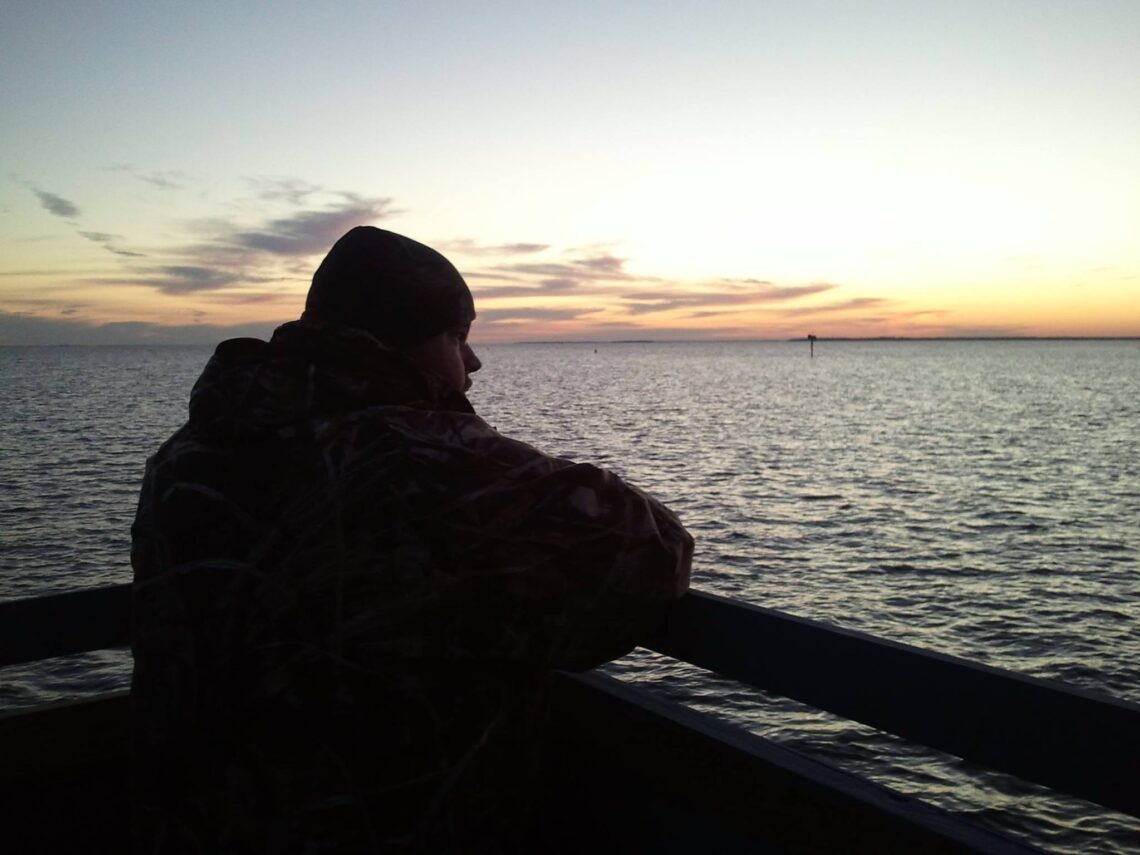
The marsh at dawn has its own liturgy. The wind across open water. The faint shift of decoys knocking gently against one another. Somewhere far off, a single duck gives itself away. The sky moves from black to indigo to a thin, uncertain gray.
The blind is small by design. It forces proximity. Elbows brush. Breath shows in cold air. Stories, if told, are told in fragments — half-finished and resumed later. There is no performance. No one is there to impress. The birds do not care about your resume.
Ritual governs the morning.
Decoys are set in patterns learned over time. Not rigid, but intentional. Someone always checks the wind twice. Someone always scans the tree line even when there’s nothing to see. Calls are tested quietly, then put away until they matter.
There is discipline here.
In a world where noise dominates — notifications, commentary, constant reaction — the blind asks for restraint. You don’t shoot at everything. You don’t rise too early. You don’t break the horizon with careless movement. Patience is not optional; it is structural.
It is easy to reduce duck hunting to sport. To numbers. To straps and limits and photographs laid out for proof. But those who return year after year know something else is happening.
The blind creates stillness.
Men who speak little elsewhere speak more here. Not loudly, not dramatically — but honestly. The cold strips pretense. The dark levels hierarchy. A CEO and a mechanic look the same when their breath clouds the same air.
And then, when wings finally cut across the gray, the stillness breaks.
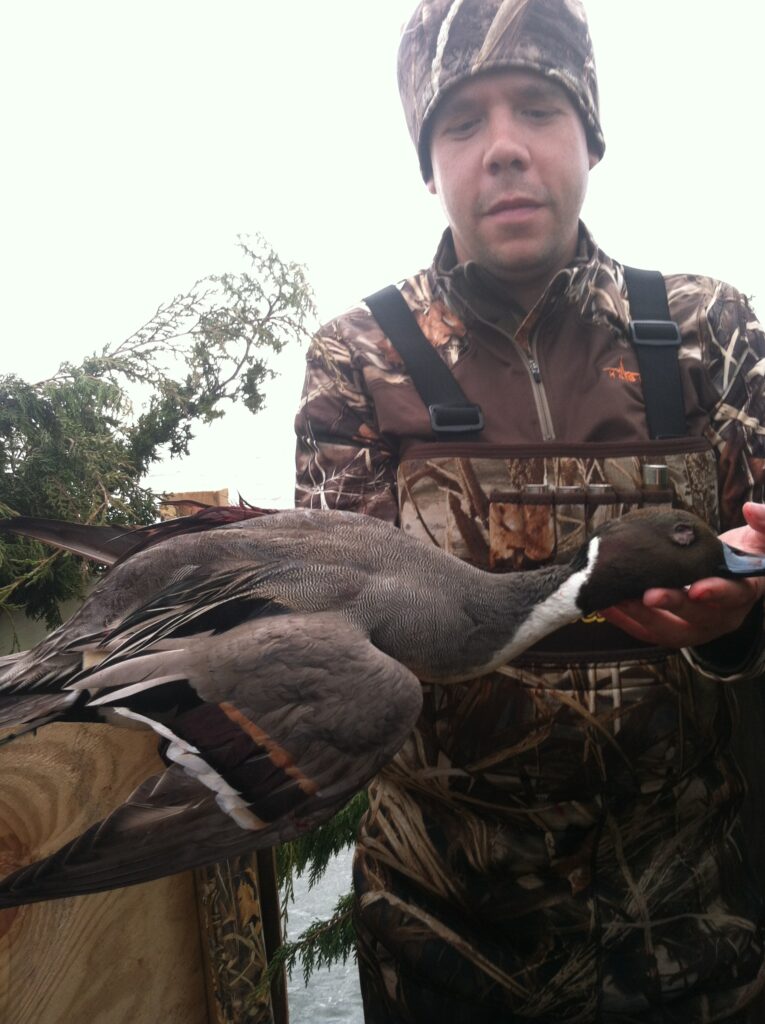
There is motion, focus, the concussive echo of a shot across water. A splash. Then quiet again. Someone moves carefully to retrieve what was taken. There is no celebration in that moment. Only responsibility.
The blind does not feel like a stadium. It feels like a chapel.
Not because it is solemn in a heavy way. Not because it demands reverence in speech. But because it creates awareness — of time, of weather, of consequence.
You notice things in a blind you miss elsewhere. The way frost gathers along a board. The exact moment the first light hits the tops of the reeds. The difference between a distant call and one that is turning toward you.
Attention sharpens there.
And when the hunt ends — whether with birds or without — the exit feels similar each time. Gear packed quietly. A last look across the water. No rush.
The blind will be empty again until next season. But it will hold the shape of those mornings. Wood remembers. So do men.
There are not many spaces left that demand our full presence without spectacle.
A duck blind still does.
Robbie Perdue
is a native North Carolinian who enjoys cooking, butchery, and is passionate about all things BBQ. He straddles two worlds as an IT professional and a farmer who loves heritage livestock and heirloom vegetables. His perfect day would be hunting deer, dove, or ducks then babysitting his smoker while watching the sunset over the blackwater of Lake Waccamaw.
You May Also Like
Ten Toes Don’t Maketh a Man
March 14, 2024
From the Editor’s Desk: Africa Edition 2023
June 30, 2023