The South was built to face outward.
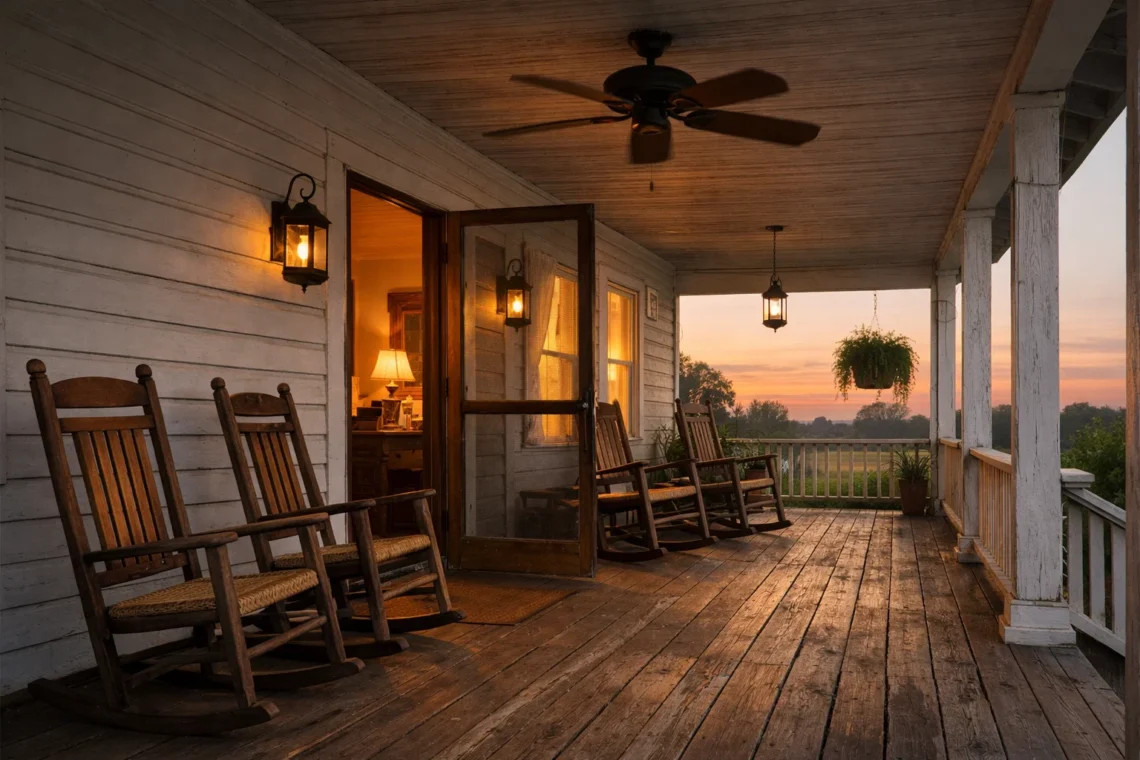
Long before air conditioning hummed behind drywall and garage doors swallowed entire evenings, houses in this region were designed with a deliberate openness. Wide planked porches stretched across the front of homes like extended hands. Rocking chairs weren’t decoration — they were equipment. A porch was not extra square footage. It was the place where the day exhaled.
At dusk, the air would cool just enough to make sitting outside tolerable. Screens slapped shut behind mothers calling children in. A truck might pass slowly down a gravel road, the driver raising two fingers from the steering wheel. Neighbors didn’t need invitations. If the light was on and someone was rocking, that was enough.
The porch was climate control before machinery. Southern heat demanded shade and airflow. Deep eaves kept sun off the windows. Ceiling fans pushed thick July air into motion. Architecture adapted to humidity the way people did — with patience rather than resistance.
But it wasn’t just weather that the porch managed.
It managed community.
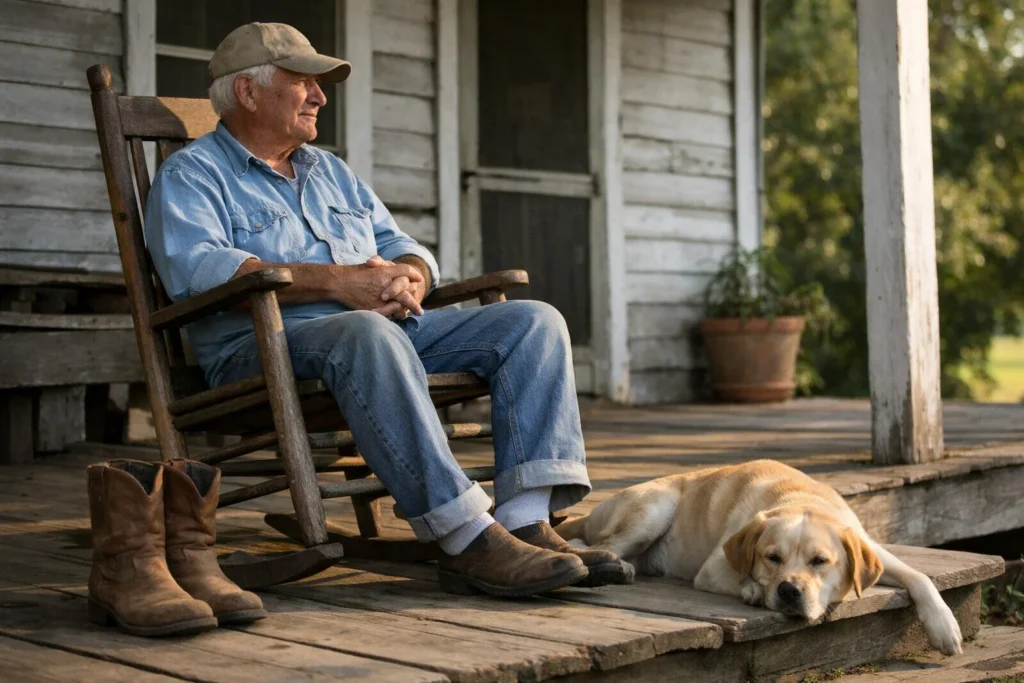
From a porch, you could see who was coming and going. You learned the rhythm of your street without surveillance cameras or neighborhood apps. You noticed when someone’s truck hadn’t moved in a few days. You saw who cut their grass late and who always did it early. The porch created soft accountability — not intrusive, not aggressive. Just presence.
And presence shapes behavior.
Conversations happened there that would never survive a formal living room. Hard truths were spoken with a glass of tea in hand. Teenagers were sized up by fathers who didn’t say much but watched carefully. Grandparents dispensed advice without announcing it as such. Most of it came disguised as story.
The porch slowed things down.
There was no agenda beyond sitting. No productivity goal. No curated image. It was public without being performative.
Then the houses turned inward.
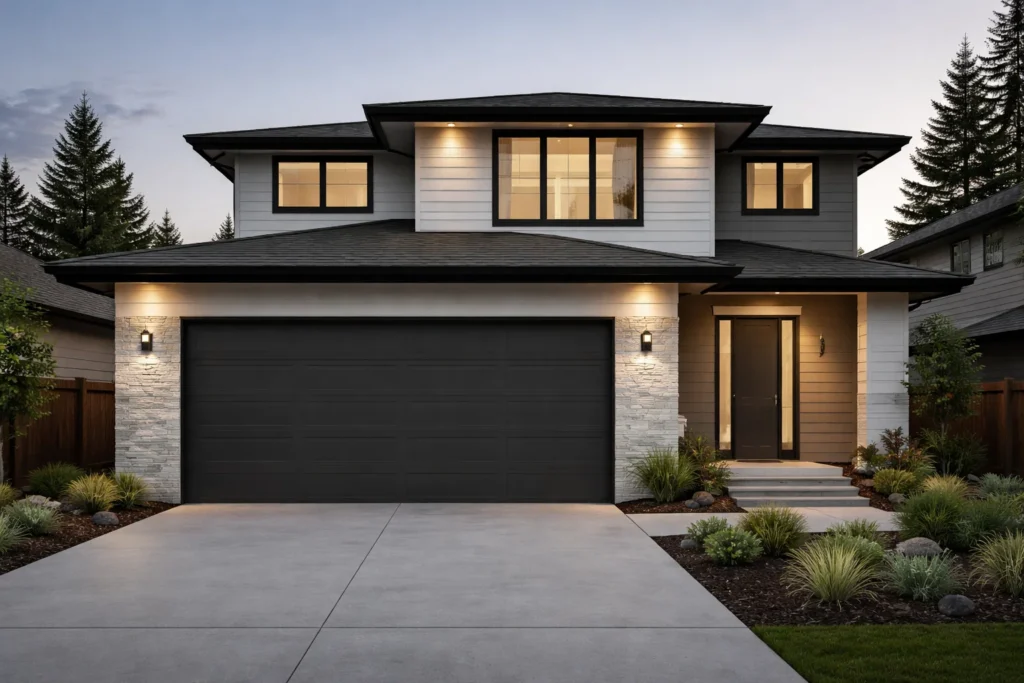
Air conditioning became affordable. Subdivisions prioritized square footage over orientation. The garage became the primary entrance. Instead of walking up steps visible to neighbors, people now disappear behind insulated doors and tinted windows. Back patios replaced front porches. Privacy replaced permeability.
We gained comfort. We lost visibility.
Modern homes often still include something labeled a “front porch,” but many are decorative — too shallow to hold more than a potted plant. A gesture toward tradition without commitment to it. You cannot rock in a chair that doesn’t fit. You cannot host a conversation in three feet of concrete.
Technology completed the migration indoors. Where porches once mediated community, social media now does. We watch each other through screens instead of across yards. We know what someone ate, where they traveled, and what they think about politics — but we do not know if their truck hasn’t moved in three days.