Hunting

World Waterfowl Day – 2026

By robbie perdue

January 17, 2026

There is a moment, just before the day fully arrives, when the marsh holds its breath.

The water is still. The air is cool. Sound travels farther than it should. Somewhere overhead, wings pass through the half-light, unseen but unmistakable. It’s a moment that doesn’t belong to any one person or season. It belongs to the place itself—and to the birds that have been crossing it long before we ever stood at the water’s edge.

World Waterfowl Day is not about celebration in the traditional sense. It is not a victory lap or a calendar reminder to post a logo and move on. It is a pause. A chance to acknowledge what waterfowl represent—and what their continued presence asks of us.

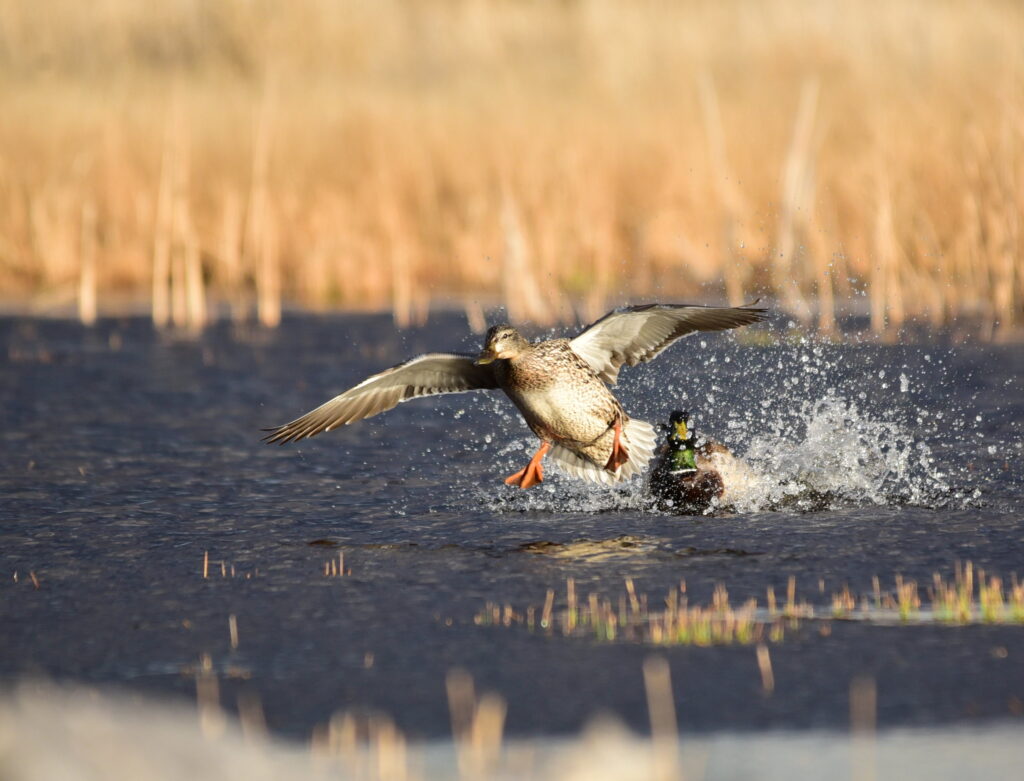
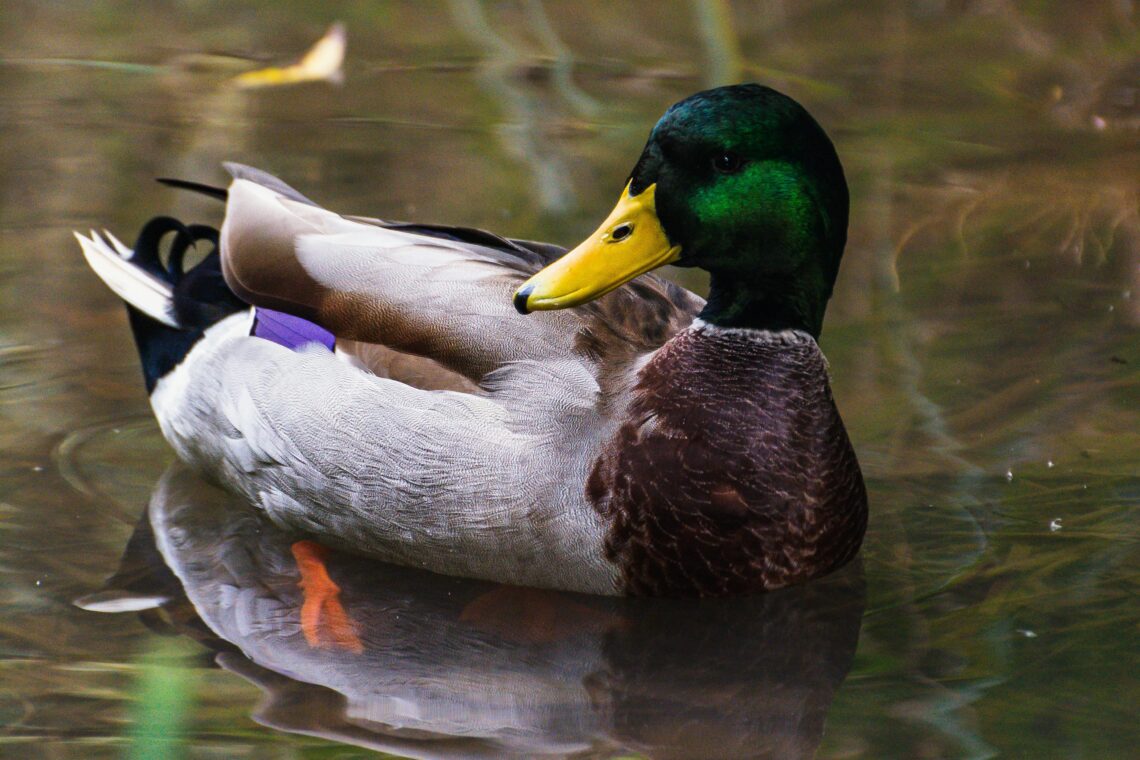
Mallards at Seedskadee National Wildlife Refuge. Photo by Tom Koerner/USFWS

Waterfowl are travelers in the truest sense of the word. Their migrations connect hemispheres, ecosystems, and cultures. A bird that lifts off from a northern breeding ground may depend on wetlands thousands of miles away to survive the journey. Along the way, it relies on healthy water, intact habitat, and spaces that have not been drained, paved, or forgotten.

Because of that, waterfowl tell a larger story. When they thrive, wetlands thrive. When wetlands thrive, entire ecosystems benefit—fish, insects, plants, and the communities that live alongside them. When waterfowl struggle, it is rarely an isolated problem. It is a signal that something deeper is wrong.

In many ways, waterfowl are a conservation success story—but not by accident.

Wetland restoration, habitat protection, and decades of focused conservation work have made a measurable difference. These efforts did not come from abstract concern alone. They came from people who understood that wildlife does not sustain itself without intention. Conservation requires planning, funding, restraint, and long-term thinking—often measured in decades, not seasons.

This is where responsibility enters the conversation.

The relationship between waterfowl and those who pursue them has always been complex, and it deserves to be handled with care. Ethical hunting is not about numbers or spectacle. It is about participation in a system that demands respect, limits, and accountability. It requires an understanding that the hunt begins long before the season opens and continues long after it closes.
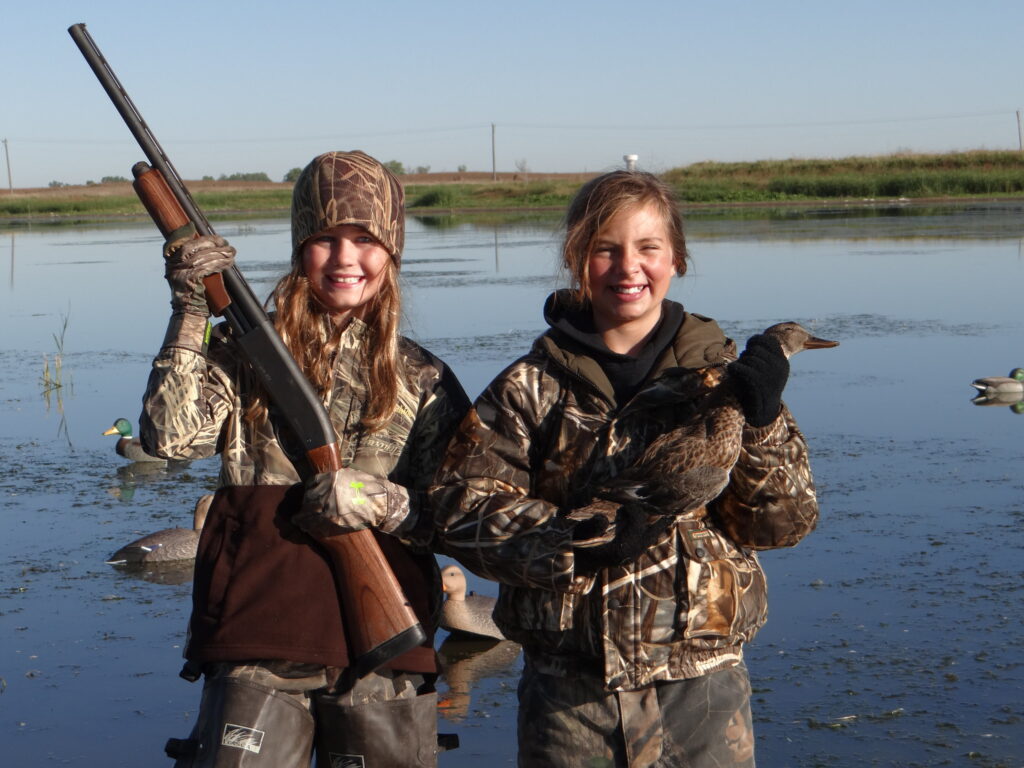
Youth waterfowl hunters. Photo by Chuck Pyle/USFWS

Hunters are, by necessity, observers first. They learn the habits of birds, the rhythms of migration, the way weather and water shape movement. They notice when numbers change. They feel the absence when habitat is lost. This proximity to the natural world creates responsibility—not ownership, but stewardship.

Stewardship is quiet work. It shows up in habitat projects that never make headlines. In licenses and conservation funding that quietly support restoration. In choosing not to take a shot when conditions aren’t right. In teaching the next generation that presence matters more than possession.

World Waterfowl Day asks us to think beyond the moment. Beyond the season. Beyond ourselves.

It asks us to recognize that the birds overhead are not guaranteed. That wetlands are not permanent without protection. That tradition only survives when it evolves responsibly. The choices made today—about land use, water, ethics, and conservation—determine whether these migrations continue or fade into memory.

At Feathers & Whiskey, we believe the outdoors is not something to be consumed quickly or spoken about loudly. It is something to be understood, respected, and passed on carefully. Waterfowl embody that philosophy. They are resilient, but not invincible. Enduring, but not immune to neglect.

World Waterfowl Day is a reminder of what we’re responsible for.

Not just the birds themselves, but the places they depend on. The waters they follow. The silence of the marsh before dawn. The possibility that future generations will stand in that same quiet and look skyward, waiting for wings to pass.

That responsibility does not belong to one group or one day. It belongs to all of us, every time we choose how to interact with the natural world.

is a native North Carolinian who enjoys cooking, butchery, and is passionate about all things BBQ. He straddles two worlds as an IT professional and a farmer who loves heritage livestock and heirloom vegetables. His perfect day would be hunting deer, dove, or ducks then babysitting his smoker while watching the sunset over the blackwater of Lake Waccamaw.

Leave a Reply

Your email address will not be published. Required fields are marked *